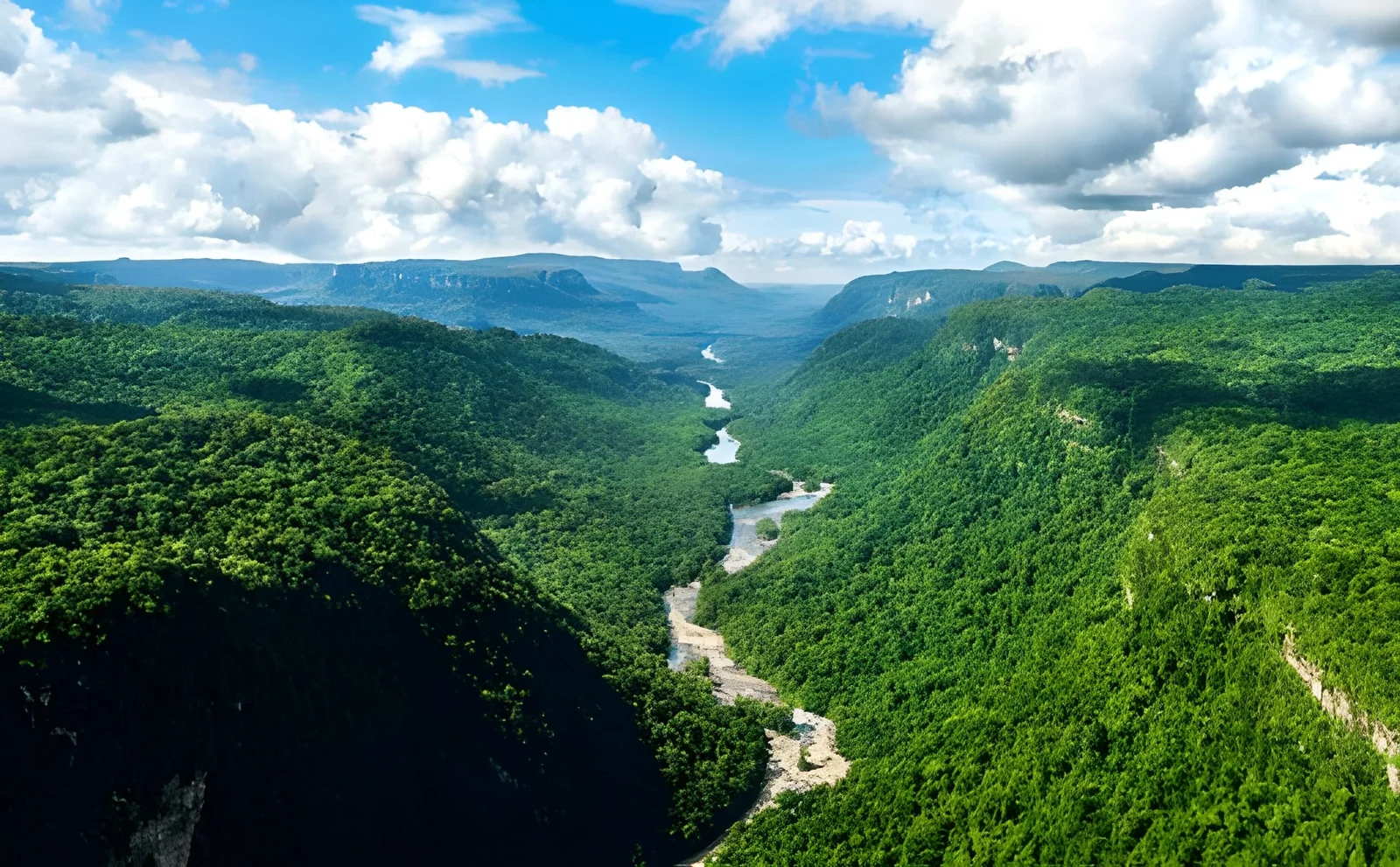
Discovering Guyana: Your Adventure with a Purpose
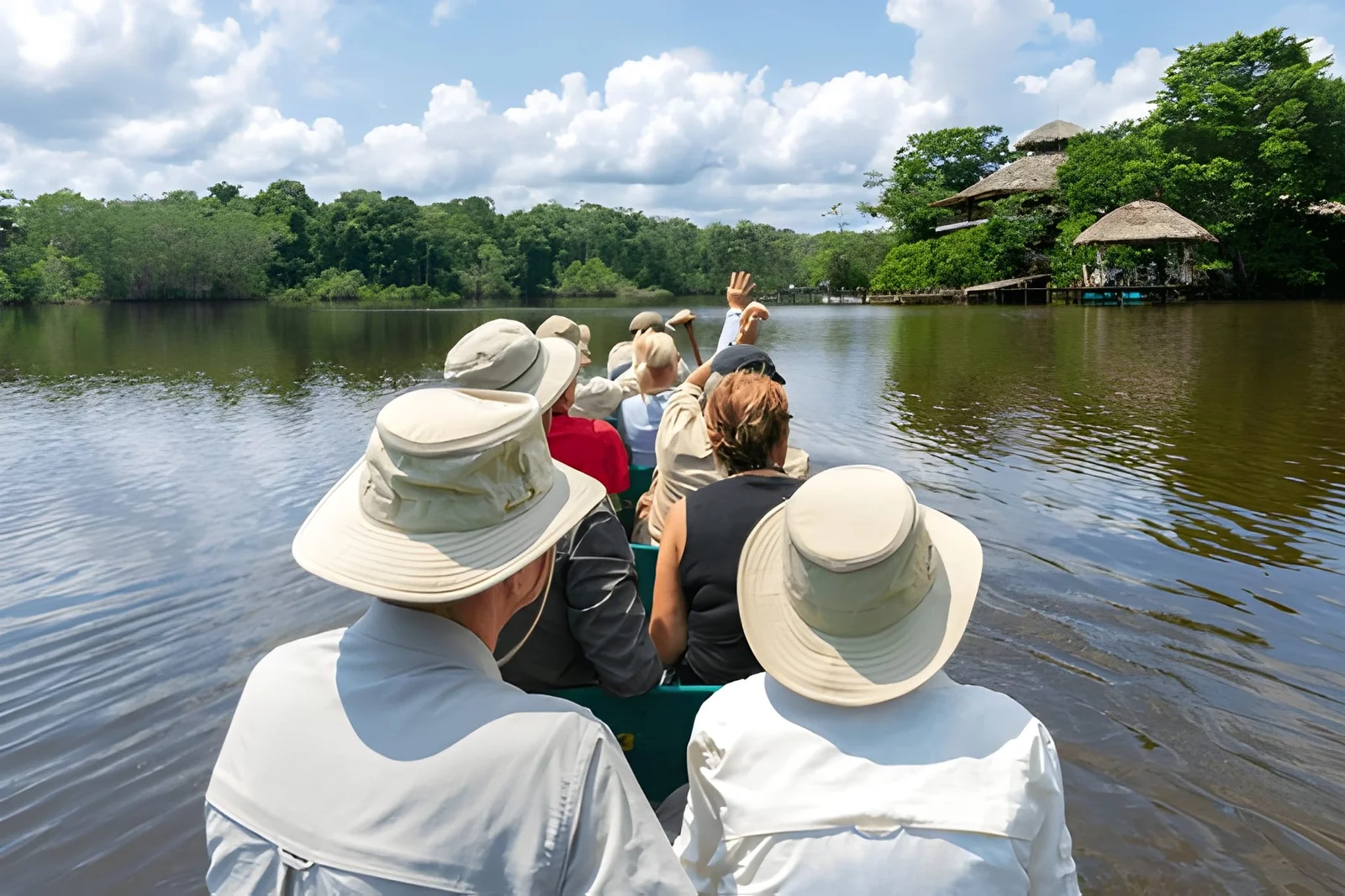
Picture this: vibrant rainforests teeming with life, majestic waterfalls cascading into pristine rivers, and communities rich in culture eagerly sharing their stories. Welcome to Guyana—a hidden gem nestled on the northeastern coast of South America! But as you prepare for your journey to this breathtaking destination, it’s essential to consider how your travels can do more than just fill your Instagram feed; they can positively impact the environment and local communities. In “Responsible Travel in Guyana:
How Your Trip Can Make a Difference,” we’ll explore practical tips and inspiring examples that show how every traveler has the power to contribute to sustainable tourism. Join us as we uncover ways to tread lightly while making unforgettable memories—because when you travel responsibly, everyone benefits!
Introduction to responsible travel and its impact on local communities
Traveling is an adventure that opens our eyes to new cultures, breathtaking landscapes, and unique experiences. But what if your wanderlust could do more than just fill your Instagram feed? Responsible travel allows you to explore the world while making a positive impact on local communities and ecosystems. In Guyana, this concept takes on a special significance. With its lush rainforests, diverse wildlife, and vibrant Indigenous cultures, every visit can foster sustainable practices and support those who call this stunning country home.
Imagine trekking through dense jungles that teem with life or sipping fresh fruit juice from a stall run by locals who benefit directly from your presence. Traveling responsibly in Guyana isn’t merely about ticking off destinations—it’s about leaving footprints of kindness behind. Your trip can contribute to conservation efforts and uplift small businesses that depend on tourism for survival.
As we delve into how you can make a difference during your travels in Guyana, prepare to discover not only the beauty of this tropical paradise but also the profound ways you can engage with its people and environment respectfully. It’s time for adventures that matter!
Overview of Guyana as a sustainable travel destination
Guyana is a hidden gem in South America. It boasts lush rainforests, diverse wildlife, and stunning waterfalls. This untouched paradise offers travelers an opportunity to engage with nature like never before.
Sustainable travel practices are woven into the fabric of Guyana’s tourism industry. Many local operators prioritize eco-friendly initiatives that protect its rich biodiversity. By focusing on conservation, they ensure that future generations can experience this enchanting land.
The country’s commitment to sustainability extends beyond just nature. Cultural richness thrives here, with indigenous communities embracing responsible tourism as a means for economic growth without sacrificing their heritage.
Visitors are encouraged to explore not only the breathtaking landscapes but also the vibrant traditions of local communities. Choosing Guyana as your next destination means supporting efforts that help preserve both the environment and its unique cultural identity.
The importance of supporting local businesses and initiatives in Guyana
Guyana is a hidden gem in South America. It boasts lush rainforests, diverse wildlife, and stunning waterfalls. This untouched paradise offers travelers an opportunity to engage with nature like never before.
Sustainable travel practices are woven into the fabric of Guyana’s tourism industry. Many local operators prioritize eco-friendly initiatives that protect its rich biodiversity. By focusing on conservation, they ensure that future generations can experience this enchanting land.
The country’s commitment to sustainability extends beyond just nature. Cultural richness thrives here, with indigenous communities embracing responsible tourism as a means for economic growth without sacrificing their heritage.
Visitors are encouraged to explore not only the breathtaking landscapes but also the vibrant traditions of local communities. Choosing Guyana as your next destination means supporting efforts that help preserve both the environment and its unique cultural identity.
The importance of supporting local businesses and initiatives in Guyana
Supporting local businesses in Guyana is crucial for the nation’s economy and cultural preservation. When you spend your money at neighborhood shops, restaurants, or markets, it directly impacts the lives of local families. It creates jobs and fosters community development.
Additionally, many of these businesses offer unique products that reflect Guyana’s rich heritage. From handmade crafts to traditional dishes, every purchase tells a story and keeps traditions alive.
Investing in local initiatives also leads to sustainable practices. Many small enterprises prioritize eco-friendly methods and contribute to conservation efforts. This means your travel experience not only enriches your life but helps protect the stunning landscapes you explore.
By choosing locally-owned options over big corporations, travelers can create a ripple effect of positivity throughout communities. It’s about connecting with people on a deeper level while making responsible choices that benefit everyone involved.
Sustainable accommodation options in Guyana
Guyana offers a range of sustainable accommodation options that blend comfort with eco-friendliness. From jungle lodges to community-run guesthouses, each choice reflects the country’s commitment to preserving its natural beauty.
Consider staying at an eco-lodge nestled in the rainforest. These lodges are designed using local materials and often run on renewable energy sources. You’ll wake up to the sounds of nature, surrounded by lush greenery.
Many accommodations also prioritize responsible waste management practices and support conservation efforts. By choosing these places, you contribute directly to their mission.
Community-run lodgings provide authentic experiences while empowering locals. Guests can enjoy home-cooked meals made from fresh ingredients sourced nearby, adding flavor to your stay and supporting local farmers.
Every booking helps sustain livelihoods and protect Guyana’s unique ecosystems, making your travel experience not just enjoyable but impactful as well.
Ethical wildlife experiences in Guyana
Guyana, located in the heart of the Amazon rainforest, is home to a diverse range of wildlife species. From jaguars and giant otters to rare bird species such as the harpy eagle, travelers have the opportunity to experience some of the most unique and breathtaking wildlife encounters in this South American country.
However, with increased tourism comes a responsibility for travelers to engage in ethical and responsible wildlife experiences. This means being mindful of how our actions can impact these animals and their habitats, and actively choosing activities that prioritize their well-being over our own entertainment.
One way to ensure an ethical wildlife experience is by supporting community-based ecotourism initiatives. These are tours or activities that are organized and run by local communities who rely on sustainable tourism as a source of income. By participating in these experiences, not only are you helping to support local economies but also promoting conservation efforts as these communities often work closely with conservation organizations.
Another important aspect is avoiding any interactions with wild animals that involve touching or feeding them. These types of practices may seem harmless but can have negative consequences for the animals’ natural behaviors and health. Wild animals should be observed from a respectful distance, allowing them to carry out their daily routines without disturbance.
Furthermore, when choosing accommodation options in Guyana, consider staying at eco-lodges or camps that have been built sustainably and minimize their environmental impact. These accommodations often offer guided nature walks or hikes where you can observe wildlife from a safe distance while learning about their natural habitat and behaviors.
It’s also essential to be conscious of your waste management during your trip. Littering can harm wildlife by attracting pests or even causing physical injuries if they mistake trash for food. Make sure to dispose of all waste properly and avoid using single-use plastics whenever possible.
It’s crucial to do thorough research before booking any specific wildlife tour or activity. Look into the company’s sustainability policies and ensure they follow ethical practices, such as not using animals for entertainment or exploiting them for tourist’s photo opportunities.
Responsible travel in Guyana means prioritizing the well-being of wildlife and their habitats. By supporting community-based initiatives and choosing ethical experiences, we can help preserve the rich biodiversity of this beautiful country while also making a positive impact on local communities. Remember to always be mindful of your actions and respect the animals’ natural behaviors during your visit to Guyana.
Community-based tourism activities in Guyana
Community-based tourism in Guyana offers a unique opportunity to connect with local people and their rich cultures. Travelers can participate in activities led by indigenous communities, such as craft-making workshops or traditional cooking classes.
These experiences allow you to learn from locals while contributing to their economies directly. You might find yourself weaving baskets alongside artisans or preparing meals using ancient techniques passed down through generations.
Guided tours of villages often include storytelling sessions that reveal the history and traditions of the community. Engaging with residents fosters mutual respect and understanding, creating lasting memories for both visitors and hosts.
Additionally, many initiatives focus on conservation efforts, where tourists assist in protecting natural habitats while enjoying breathtaking landscapes. By choosing these activities, travelers not only gain insight into authentic lifestyles but also play an integral role in preserving Guyana’s cultural heritage for future generations.
Tips for being a responsible traveler in Guyana
Traveling to a new country is always an exciting and enriching experience. However, it is important to remember that as travelers, we have a responsibility towards the places we visit and the people who call it their home. In Guyana, being a responsible traveler means being mindful of the local culture and environment, supporting sustainable tourism practices, and making a positive impact on the community.
Here are some tips for being a responsible traveler in Guyana:
1. Respect the Local Culture: Guyana has a rich cultural heritage with influences from indigenous Amerindian communities, Afro-Guyanese traditions, and British colonial history. As visitors, it is crucial to respect these cultures and traditions by learning about them before your trip. This can include understanding local customs, dress codes, and proper etiquette when interacting with locals.
2. Support Sustainable Tourism: The tourism industry plays a significant role in Guyana’s economy, but it is essential to ensure that this growth does not come at the expense of its natural resources or communities. Look for eco-friendly accommodations that promote sustainable practices such as using renewable energy sources or supporting local conservation efforts.
3. Choose Responsible Tour Operators: When planning your itinerary in Guyana, opt for tour operators that prioritize responsible tourism practices. These could include partnering with local communities or promoting sustainable activities like birdwatching or hiking rather than activities that exploit animals or damage the environment.
4. Reduce Your Environmental Impact: While exploring Guyana’s stunning landscapes and wildlife, make sure to leave only footprints behind by properly disposing of waste and avoiding single-use plastics wherever possible. Also, be mindful of your water consumption as access to clean water can be limited in certain areas.
5. Support Local Businesses: One of the best ways to contribute positively to the community you’re visiting is by supporting locally-owned businesses instead of large international chains. This could mean eating at family-run restaurants serving traditional dishes or purchasing souvenirs from local markets.
6. Volunteer Responsibly: Volunteering can be a rewarding experience, but it’s crucial to do so responsibly. Research the organization you are interested in volunteering with and ensure that they have a sustainable and ethical approach towards their work.
Remember, responsible travel starts with being informed and making conscious choices. By following these tips, you can make your trip to Guyana not only unforgettable but also meaningful for both yourself and the local communities. Let’s all do our part in preserving this beautiful country for generations to come.
Personal stories and testimonials from travelers who have visited Guyana responsibly
One traveler, Sarah, shared her journey through Guyana’s lush rainforests. She spoke of the warm smiles from local guides who introduced her to their culture. It wasn’t just sightseeing; it was a heartfelt connection.
Then there was Mark, an avid birdwatcher, who recounted spotting the elusive Guiana crested eagle. He emphasized how choosing eco-friendly tours not only enriched his experience but also contributed to conservation efforts in the area.
Ella’s story highlighted a small village where she participated in traditional cooking classes. The joy of learning from local women while supporting their craft left a lasting impression on her heart.
These narratives reveal that responsible travel isn’t merely about visiting new places—it’s about forging bonds and uplifting communities while immersing oneself in authentic experiences that resonate far beyond the trip itself.
How your trip to Guyana can make a positive impact on the environment and communities
One traveler, Sarah, shared her journey through Guyana’s lush rainforests. She spoke of the warm smiles from local guides who introduced her to their culture. It wasn’t just sightseeing; it was a heartfelt connection.
Then there was Mark, an avid birdwatcher, who recounted spotting the elusive Guiana crested eagle. He emphasized how choosing eco-friendly tours not only enriched his experience but also contributed to conservation efforts in the area.
Ella’s story highlighted a small village where she participated in traditional cooking classes. The joy of learning from local women while supporting their craft left a lasting impression on her heart.
These narratives reveal that responsible travel isn’t merely about visiting new places—it’s about forging bonds and uplifting communities while immersing oneself in authentic experiences that resonate far beyond the trip itself.
Tips for being a responsible traveler in Guyana
Traveling to a new country is always an exciting and enriching experience. However, it is important to remember that as travelers, we have a responsibility towards the places we visit and the people who call it their home. In Guyana, being a responsible traveler means being mindful of the local culture and environment, supporting sustainable tourism practices, and making a positive impact on the community.
Here are some tips for being a responsible traveler in Guyana:
1. Respect the Local Culture: Guyana has a rich cultural heritage with influences from indigenous Amerindian communities, Afro-Guyanese traditions, and British colonial history. As visitors, it is crucial to respect these cultures and traditions by learning about them before your trip. This can include understanding local customs, dress codes, and proper etiquette when interacting with locals.
2. Support Sustainable Tourism: The tourism industry plays a significant role in Guyana’s economy, but it is essential to ensure that this growth does not come at the expense of its natural resources or communities. Look for eco-friendly accommodations that promote sustainable practices such as using renewable energy sources or supporting local conservation efforts.
3. Choose Responsible Tour Operators: When planning your itinerary in Guyana, opt for tour operators that prioritize responsible tourism practices. These could include partnering with local communities or promoting sustainable activities like birdwatching or hiking rather than activities that exploit animals or damage the environment.
4. Reduce Your Environmental Impact: While exploring Guyana’s stunning landscapes and wildlife, make sure to leave only footprints behind by properly disposing of waste and avoiding single-use plastics wherever possible. Also, be mindful of your water consumption as access to clean water can be limited in certain areas.
5. Support Local Businesses: One of the best ways to contribute positively to the community you’re visiting is by supporting locally-owned businesses instead of large international chains. This could mean eating at family-run restaurants serving traditional dishes or purchasing souvenirs from local markets.
6. Volunteer Responsibly: Volunteering can be a rewarding experience, but it’s crucial to do so responsibly. Research the organization you are interested in volunteering with and ensure that they have a sustainable and ethical approach towards their work.
Remember, responsible travel starts with being informed and making conscious choices. By following these tips, you can make your trip to Guyana not only unforgettable but also meaningful for both yourself and the local communities. Let’s all do our part in preserving this beautiful country for generations to come.
How your trip to Guyana can make a positive impact on the environment and communities
Guyana is a country rich in natural beauty and cultural diversity, with a vast array of untouched rainforests, pristine rivers, and vibrant communities. As responsible travelers, it is our duty to ensure that our visit to this stunning destination has a positive impact on both the environment and the local communities.
One of the most effective ways to make a positive impact on the environment during your trip to Guyana is by choosing eco-friendly accommodations. Many hotels and lodges in Guyana have adopted sustainable practices such as using renewable energy sources, composting waste, and implementing water conservation methods. By staying at these establishments, you are not only reducing your carbon footprint but also supporting businesses that prioritize environmental sustainability.
Another way to minimize your impact on the environment while traveling in Guyana is by participating in ecotourism activities. These activities are designed to showcase the natural wonders of the country while promoting conservation efforts. For instance, you can take guided hikes through rainforests with trained local guides who will educate you about the importance of preserving these fragile ecosystems. You can also opt for river cruises or birdwatching tours that support initiatives for protecting wildlife habitats.
In addition to taking measures to protect the environment, responsible travelers should also strive to make a positive impact on local communities during their trip to Guyana. One way to do this is by supporting sustainable tourism projects run by indigenous communities. These projects focus on preserving traditional ways of life while providing economic opportunities for community members.
Another great way to contribute positively is by purchasing locally made products such as handicrafts or food items from small-scale producers instead of buying imported goods. This not only supports local businesses but also reduces your carbon footprint by minimizing transportation emissions.
Volunteering with community-based organizations or participating in cultural exchange programs are other ways to engage with and support local communities during your travels in Guyana. These experiences allow you to learn about different cultures firsthand while making meaningful contributions to community development projects.
It is crucial to be respectful and mindful of the local customs and traditions while traveling in Guyana. This includes seeking permission before taking photos of people, dressing appropriately, and avoiding any behavior that may offend or disrespect the local communities.
Responsible travel in Guyana involves being conscious of our impact on the environment and actively engaging with and supporting local communities. By following these guidelines, we can ensure that our trip to this beautiful country leaves a positive footprint for future generations to enjoy.
Conclusion: The power of responsible travel and why it matters.
Responsible travel holds immense power. It goes beyond just visiting a place; it impacts the communities you engage with and respects the environment you explore. When you choose to travel responsibly in Guyana, you’re not only enriching your own experience but also contributing to the well-being of local people and ecosystems.
Your decisions—like supporting small businesses or participating in community-based tourism—echo through these vibrant communities. Every meal at a locally-owned restaurant or night spent at an eco-lodge helps create jobs and fosters sustainable practices that benefit everyone.
Traveling ethically allows for authentic interactions with wildlife while ensuring their conservation. This mindful approach preserves natural habitats, allowing future generations to witness the beauty of Guyana’s rich biodiversity.
As travelers, we have a unique opportunity to leave positive footprints wherever we go. Each responsible choice is an investment in both culture and nature—a chance to make your journey more meaningful.
Embrace this responsibility as part of your adventure. By prioritizing sustainability during your travels, you can help shape a world where tourism supports rather than exploits its surroundings, creating lasting change for all involved. Responsible travel matters because every trip can be an opportunity for growth—all it takes is conscious choices along the way.