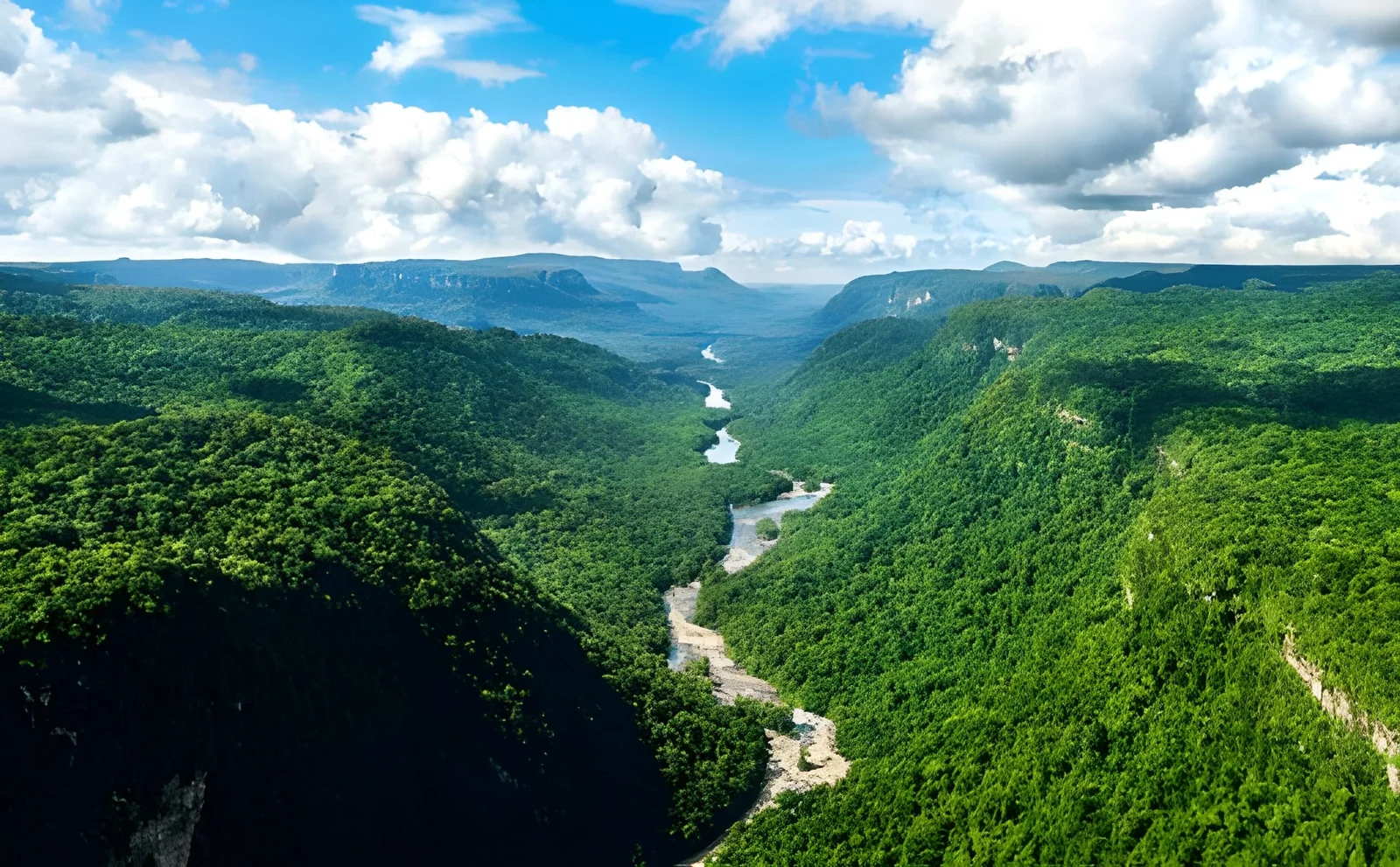
Nestled on the northeastern coast of South America, Guyana is a hidden gem for wildlife enthusiasts and adventure seekers. This small nation harbors some of the most pristine rainforests on Earth, where elusive jaguars prowl ancient trails, giant river otters play in crystal-clear waters, and harpy eagles soar above the emerald canopy. In this untouched paradise, every corner reveals extraordinary encounters that create memories lasting a lifetime.
Introduction to Guyana and Its Unique Biodiversity
Often overshadowed by its more famous neighbors, Guyana boasts exceptional biodiversity that rivals any destination in South America. From lush rainforests to expansive savannas, the country’s diverse landscapes teem with life that beckons nature lovers from around the globe.
With over 820 bird species, 228 mammal species, 900 fish species, and more than 6,500 plant species, Guyana has earned its reputation as a premier wildlife and birding destination. The country is home to one of only four pristine tropical forests remaining in the world, offering visitors authentic wilderness experiences increasingly rare elsewhere.
Imagine wandering through emerald jungles where every rustle in the underbrush could reveal a magnificent creature or elusive bird. The thrill of encountering wildlife in its natural habitat creates unforgettable moments that resonate long after you return home.
The 8 Giants of Guyana
Guyana is renowned for its “8 Giants”—extraordinary creatures that define the country’s remarkable biodiversity. Each of these magnificent animals plays a vital role in its ecosystem, representing the wild heart of South American nature.
Jaguar
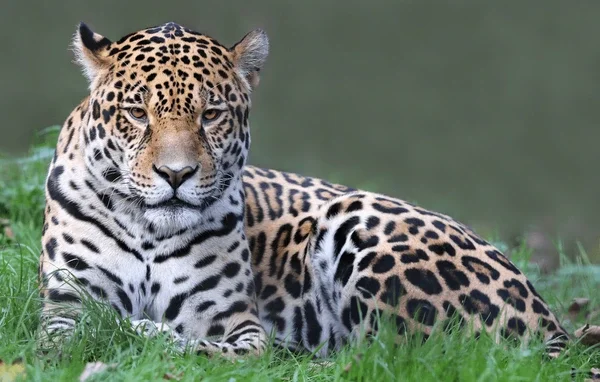
The jaguar reigns as South America’s apex predator and stands as a symbol of strength in indigenous cultures throughout the region. With its distinctive golden fur covered in black rosettes, this powerful cat is easily recognized yet notoriously elusive.
These solitary creatures inhabit Guyana’s forests from the lowland savannas to the highlands of the Pakaraima Mountains. Jaguars are exceptional swimmers, often found hunting along riverbanks or crossing waterways in pursuit of prey.

Encountering a jaguar in its natural habitat is rare but transformative. River safaris along the Rupununi and Rewa Rivers offer some of the best opportunities to witness these magnificent cats. The Iwokrama Rainforest Reserve and community-based conservation initiatives provide sustainable ways to track and observe jaguars while supporting their protection.
Guyana’s relatively untouched wilderness has allowed jaguar populations to remain healthy, making it one of the best places in South America to see these iconic predators in the wild.
Giant River Otter
The giant river otter is one of the most charismatic creatures in Guyana’s waterways. These playful, highly social mammals live in family groups and communicate through an impressive range of vocalizations—earning them the nickname “river wolves.”
Growing up to 1.8 meters (nearly 6 feet) in length, giant river otters are among the largest members of the weasel family. Their sleek, dark brown fur contrasts with their lighter underbelly, making them easily recognizable as they frolic in rivers or sun themselves on banks.

These skilled hunters primarily feed on fish but also consume crustaceans and small animals. Watching giant river otters in their natural habitat is an unforgettable experience—their lively antics and coordinated hunting techniques bring joy to wildlife enthusiasts and casual observers alike.
Listed as Endangered, giant river otters have found a stronghold in Guyana’s protected waterways, where conservation efforts help ensure their survival.
Harpy Eagle
The harpy eagle is one of the world’s most powerful birds of prey, commanding awe with its impressive size and strength. With a wingspan reaching up to 2 meters (over 6.5 feet) and piercing yellow eyes, this magnificent raptor represents the untamed spirit of Guyana’s rainforests.
Striking black and white plumage makes the harpy eagle unmistakable. Its massive talons—comparable in size to a grizzly bear’s claws—allow it to capture large prey including monkeys and sloths with remarkable precision.

The harpy eagle prefers large expanses of uninterrupted forest, making Guyana’s pristine jungles ideal habitat. Spotting one in the wild is rare but deeply rewarding. Their haunting call echoing through the canopy adds an ethereal quality to any jungle excursion.
For dedicated birdwatchers and nature lovers, encountering this majestic creature in its natural environment ranks among the most awe-inspiring wildlife experiences on Earth.
Giant Anteater
The giant anteater embodies the unique adaptations that make South American wildlife so fascinating. With its elongated snout, bushy tail, and distinctive fur patterns, this gentle giant stands out as one of nature’s most unusual mammals.
Measuring up to 2.4 meters (8 feet) long including their magnificent tail, giant anteaters roam Guyana’s grasslands and savannas. They primarily feed on ants and termites, using their specialized tongue—which can extend up to 40 centimeters (16 inches)—to slurp up prey with remarkable efficiency.

Their sharp claws are designed for tearing open insect mounds rather than combat. Despite their formidable appearance, giant anteaters are typically solitary and peaceful, preferring to avoid confrontation.
With their lumbering gait and calm demeanor, these remarkable creatures represent the diverse adaptations found in Guyana’s ecosystems.
Arapaima
The arapaima is a living fossil—one of the world’s largest freshwater fish species and a true giant of Guyana’s rivers. These prehistoric creatures can reach up to 3 meters (10 feet) in length and weigh over 200 kilograms (440 pounds), though most individuals are considerably smaller today due to fishing pressure.
Sporting sleek bodies covered in large, copperish-green scales, arapaima possess a unique adaptation: they can breathe air. These fish surface every 15 to 20 minutes to gulp oxygen, relying on both gills and a modified swim bladder that functions like a lung.

Arapaima typically inhabit slow-moving rivers and floodplain lakes, where they hunt smaller fish. They play an essential role in maintaining the ecological balance of their aquatic habitats.
In indigenous cultures throughout the region, arapaima hold special significance, with local legends claiming that spotting one brings good fortune. Conservation efforts in Guyana aim to protect these magnificent fish for future generations.
Giant River Turtle
The giant river turtle, also known as the arrau turtle, is one of South America’s largest freshwater turtles. These remarkable reptiles can weigh over 90 kilograms (200 pounds) and measure up to 1 meter (3.5 feet) in shell length.
Their large shells serve multiple purposes—providing protection from predators while also functioning as floating habitats that support algae growth, offering natural camouflage.
Primarily herbivorous, giant river turtles feed on aquatic plants and fruits that fall into their riverside homes. Their diet contributes significantly to river ecosystem health by promoting plant growth and seed dispersal.

Sadly, giant river turtles face threats from habitat loss and poaching for their meat and eggs. Conservation efforts are crucial to ensure these magnificent creatures continue thriving in Guyana’s waters.
Watching one glide gracefully through the water showcases nature’s ancient wonders—these turtles represent a lineage stretching back millions of years.
Anaconda
The green anaconda is the world’s largest snake by weight and one of the longest, making it one of nature’s most impressive reptiles. These powerful constrictors can grow up to 9 meters (30 feet) long, though most individuals are considerably smaller.
Anacondas are primarily aquatic, preferring swamps and slow-moving streams where they silently glide through murky waters. Their mottled green-brown coloration provides perfect camouflage among aquatic vegetation.

As non-venomous constrictors, anacondas subdue prey by coiling around it and squeezing until suffocation occurs—a dramatic method in nature’s theater. They feed on a variety of animals including fish, birds, caimans, and mammals that venture too close to the water’s edge.
Encountering an anaconda in its natural habitat is thrilling yet humbling. Observing these giants from a safe distance offers both excitement and respect for their role as apex predators within Guyana’s ecosystems.
Black Caiman
The black caiman is South America’s largest predator and one of the continent’s most formidable reptiles. As the biggest member of the alligator family, black caimans typically reach 4 meters (13 feet) in length, though exceptional individuals can exceed 5 meters (16.5 feet).
These majestic creatures inhabit the rivers, lakes, and swamps of Guyana’s rainforests. Their dark, nearly black coloration helps them blend seamlessly into murky waters and shadowy riverbanks, making them effective ambush predators.

Black caimans are opportunistic apex predators with powerful jaws lined with sharp teeth designed for gripping slippery prey. They feed on fish, birds, and even larger mammals when opportunities arise.
Despite their fearsome reputation, black caimans play a crucial role in maintaining ecological balance. They help regulate fish populations and contribute to the overall health of aquatic ecosystems.
Spotting one while exploring Guyana’s waterways is an unforgettable experience that highlights the region’s extraordinary biodiversity.
Wildlife Tours in Guyana: Planning Your Adventure
Experiencing Guyana’s magnificent wildlife requires careful planning and connection with knowledgeable local operators who specialize in creating immersive, responsible encounters.
Best Time to Visit for Wildlife Sightings
The optimal time to visit Guyana for wildlife encounters is during the dry seasons, which run from late September to early December and again from February to April. During these months, lower water levels concentrate animals around remaining water sources, increasing visibility and encounter opportunities.
The dry seasons also provide more reliable weather for internal flights and easier navigation through remote areas. Birdwatchers will find these periods particularly rewarding, as many species are more active and visible.
However, the wet season offers its own unique charm. Lush greenery flourishes, and certain species become more active with the refreshing rains. While some trails may be muddy, the vibrant landscape provides stunning backdrops for wildlife photography.
Eco-Lodges and Community-Based Tourism
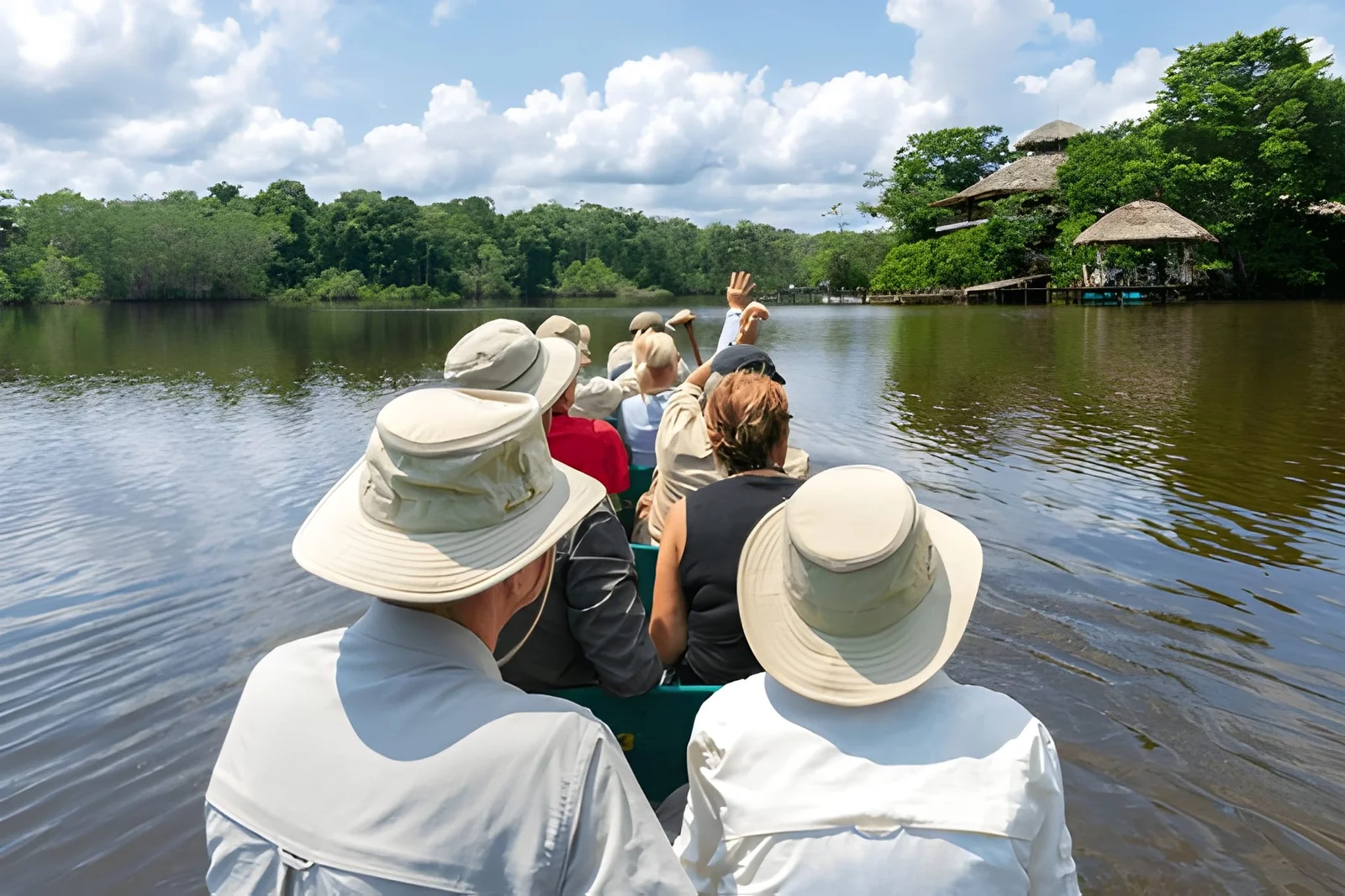
Guyana’s eco-lodges, including Atta Rainforest Lodge, Surama Eco-Lodge, and Rewa Eco-Lodge, offer exceptional wildlife viewing opportunities while supporting conservation. These community-run establishments provide sustainable livelihoods for indigenous peoples while protecting critical habitats.
Many lodges offer specialized activities including camera trap monitoring, guided night walks, river expeditions, and cultural exchanges with local communities. These experiences not only enhance your wildlife encounters but also contribute directly to conservation efforts.
Beyond the Giants: Other Remarkable Wildlife
While the “8 Giants” capture headlines, Guyana’s biodiversity extends far beyond these famous species, offering countless opportunities for discovery.
Colorful Birds for Birdwatching Enthusiasts
With over 820 recorded bird species, Guyana is a paradise for ornithologists and casual birdwatchers alike. The country’s diverse habitats attract both resident and migratory species in stunning variety.
The Guianan Cock-of-the-Rock, with its vibrant orange plumage and distinctive crest, performs elaborate courtship displays that rank among nature’s most spectacular shows. This species is found nowhere else outside the Guiana Shield.
Scarlet Macaws paint the sky with their brilliant red, yellow, and blue feathers as they soar through treetops in noisy, playful flocks. Their intelligence and social behavior make them fascinating subjects for observation.
Tiny hummingbirds like the Rufous-breasted Hermit and Long-tailed Sylph dart among tropical flowers with remarkable agility. Their iridescent feathers shimmer in the sunlight, creating jewel-like displays.
From wetlands to savannas, each ecosystem attracts different species, making every birdwatching excursion unique and rewarding.
Rare Monkey Species
Guyana’s forests harbor several primate species that delight wildlife enthusiasts with their acrobatic abilities and complex social structures.
The Guiana Spider Monkey, with its long limbs and expressive face, swings gracefully through the canopy using its prehensile tail as a fifth limb. These intelligent primates live in family groups and exhibit touching social interactions.
The Golden-Handed Tamarin stands out with its striking golden-orange fur. These small primates travel in family units, communicating through chirps and calls while foraging for fruits and insects.
Red-Faced Howler Monkeys fill the forest with their deep, resonant calls at dawn and dusk—a natural symphony that creates an unforgettable jungle atmosphere. Their vocalizations can be heard from several kilometers away.
Each primate encounter adds depth to your understanding of Guyana’s rich ecological tapestry.
Other Fascinating Creatures
Guyana’s biodiversity extends to countless other species: colorful poison dart frogs, massive bird-eating spiders, playful capybaras, three-toed sloths, and an incredible variety of reptiles including numerous snake and lizard species.
The country’s rivers and streams host diverse fish species beyond the arapaima, while its insect life includes spectacular butterflies, rhinoceros beetles, and countless other invertebrates that play crucial roles in ecosystem function.
Conservation and Responsible Tourism
Guyana’s wildlife faces ongoing challenges from habitat loss, climate change, and illegal hunting. Responsible tourism plays a vital role in conservation by providing economic incentives for protection while raising awareness about these magnificent creatures.
When visiting Guyana:
- Choose tour operators committed to sustainable practices
- Respect wildlife by maintaining safe distances and following guide instructions
- Support community-based tourism initiatives that benefit local people
- Never purchase products made from endangered species
- Share your experiences to inspire conservation awareness
Conclusion: A Journey into the Wild Heart of Guyana
Guyana offers wildlife encounters found nowhere else on Earth. From jaguars prowling ancient forests to giant river otters playing in pristine waterways, every moment reveals nature’s extraordinary creativity and power.
Whether you’re tracking elusive predators, marveling at prehistoric fish, or simply listening to howler monkeys greet the dawn, Guyana writes its own story—one of wilderness, wonder, and the profound connection we can forge with our planet’s most incredible creatures.
This untouched paradise beckons adventurers willing to venture off the beaten path. In Guyana’s wild heart, you’ll discover not just extraordinary animals, but also a deeper appreciation for the delicate balance that sustains all life on Earth.
Plan your journey to this remarkable country, and prepare for wildlife encounters that will transform how you see the natural world—experiences that resonate with wonder long after you’ve returned home.ce is an investment in both culture and nature—a chance to make your journey more meaning